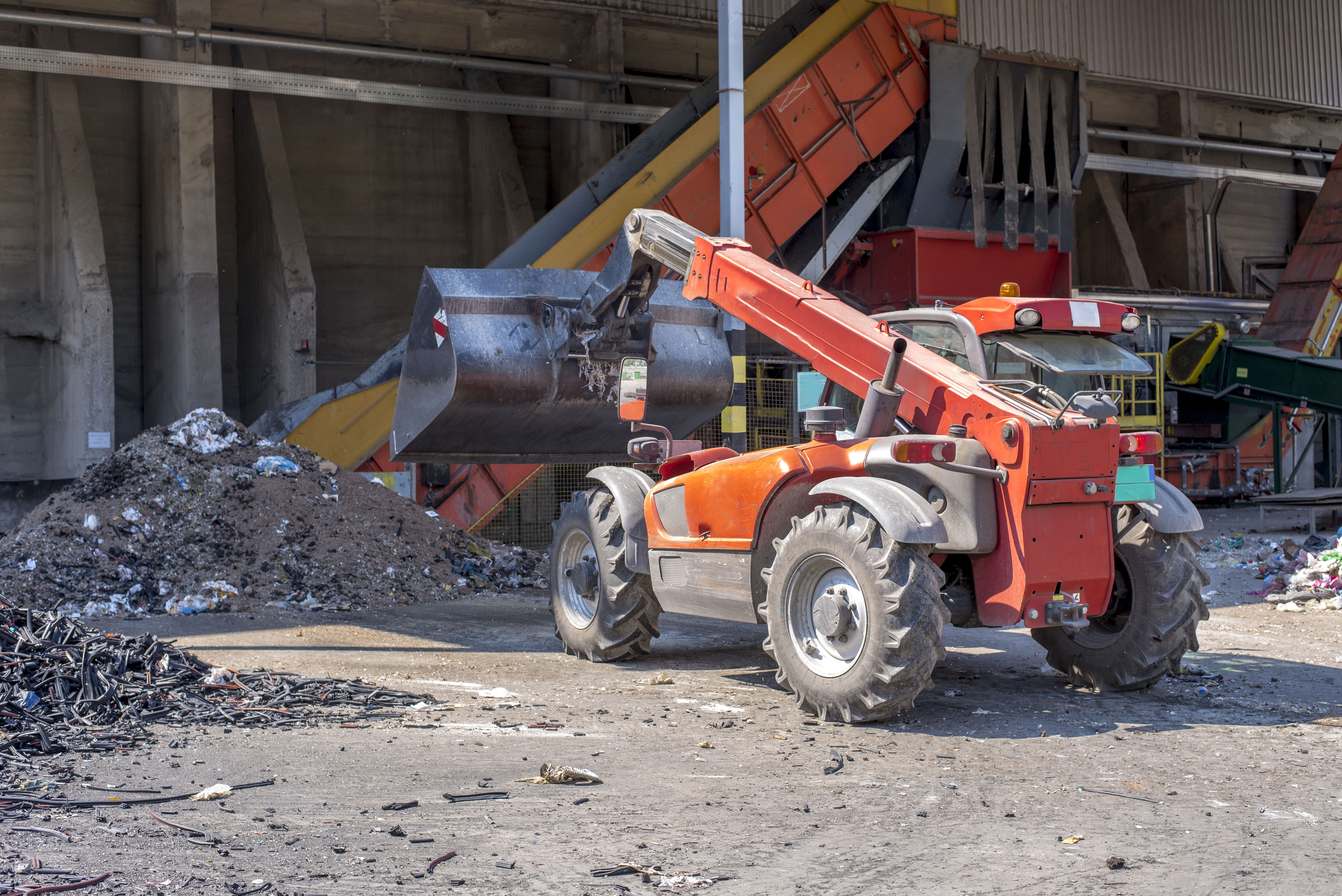
Construction projects create a large amount of waste such as steel, concrete, wood, metal, and plastic materials. Instead of sending these materials to landfills, construction scrap recycling helps reuse and process them in an eco-friendly way. This method supports cleaner construction sites and reduces environmental pollution. Many builders and contractors now prefer recycling because it lowers waste disposal costs and improves sustainability. Construction scrap recycling also helps companies follow environmental regulations and improve their brand reputation. By recycling scrap materials properly, businesses can turn waste into reusable resources that support future projects and reduce the demand for new raw materials.
Construction scrap recycling plays an important role in protecting natural resources and reducing industrial waste. Materials like iron, aluminum, copper, and concrete can be collected and processed for reuse in new construction activities. This reduces the need for mining and manufacturing fresh materials, which saves energy and lowers carbon emissions. Recycling construction scrap also helps keep project sites organized and safer for workers. Companies that follow proper recycling practices often experience improved operational efficiency and lower project expenses. As sustainable construction becomes more popular, recycling construction waste has become an essential part of responsible building management.
Many different materials from demolition and construction sites can be recycled and reused. Metal scrap such as steel rods, iron sheets, and aluminum frames are among the most commonly recycled items because they have high resale value. Concrete waste can be crushed and used for road base materials or new construction foundations. Wood, plastic pipes, glass panels, and electrical cables can also be processed through recycling systems. Proper sorting of materials at construction sites helps recycling companies manage waste more efficiently. This process not only reduces landfill waste but also supports a circular economy where materials are reused instead of discarded.
Professional construction scrap recycling companies help builders manage waste safely and efficiently. These experts provide scrap collection, transportation, segregation, and recycling services for different types of construction materials. Hiring professional recyclers saves time and ensures that waste is handled according to environmental standards. Recycling services also help construction companies recover value from unused scrap materials. Businesses can improve site cleanliness, reduce disposal costs, and contribute to sustainable development by partnering with reliable recycling providers. With increasing awareness about environmental responsibility, professional construction scrap recycling services are becoming highly important in the construction industry.
The future of construction depends heavily on sustainable waste management practices. Construction scrap recycling is expected to grow rapidly as industries focus more on eco-friendly operations and green building standards. Advanced recycling technologies now make it easier to process large amounts of construction waste efficiently. Governments and environmental organizations are also encouraging recycling practices through policies and awareness programs. Companies that invest in recycling solutions today can gain long-term benefits through cost savings and improved environmental performance. Construction scrap recycling not only supports cleaner cities but also creates a more sustainable future for upcoming generations in the construction industry.